Clean Up After a Fire: How the Chem Sponge Plays a Key Role
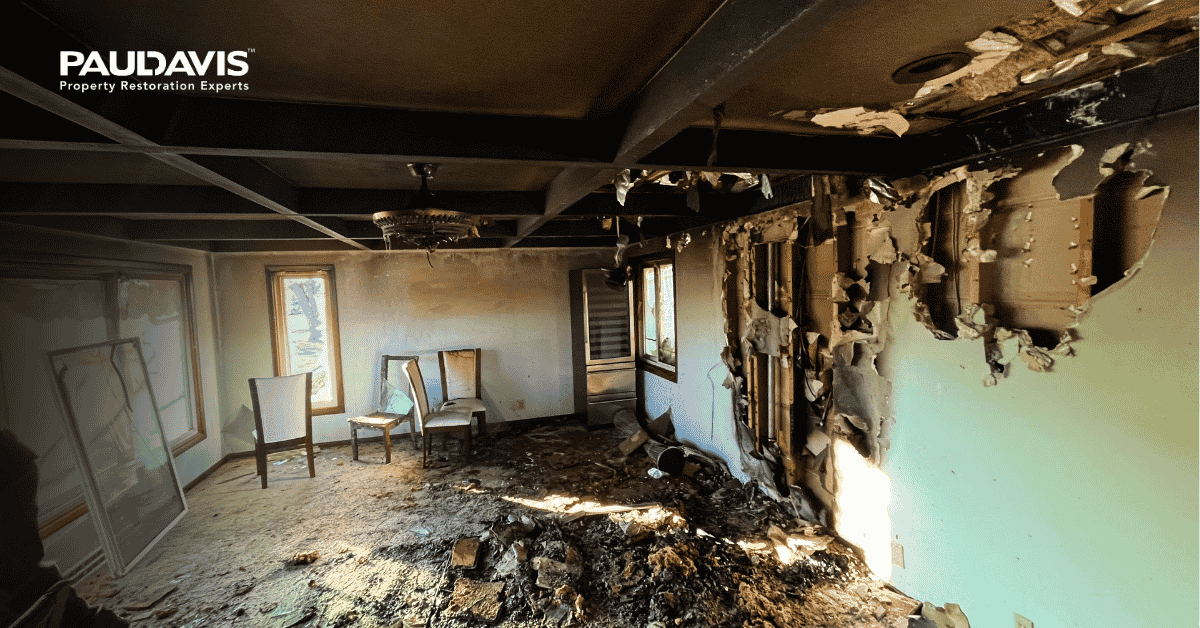
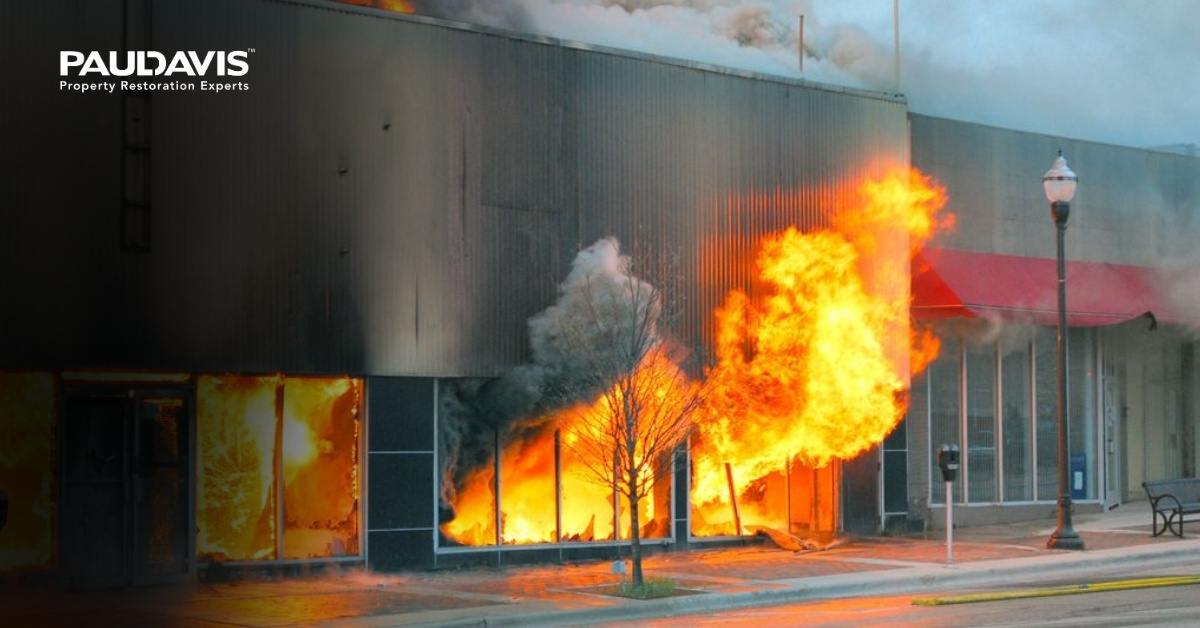
A fire in your home or commercial property is traumatic — the flames are only the beginning. After the fire, what you’re left with is smoke damage, soot deposition, acidic residues, odor, and the risk that permanent damage will set in if cleanup is not done properly. That’s where trusted restoration professionals like Paul Davis Restoration & Remodeling of Northern Nebraska step in. With decades of industry experience, rigorous training, certified teams, and a suite of specialized tools, Paul Davis Northern Nebraska is uniquely qualified to restore your property to its pre-loss condition.
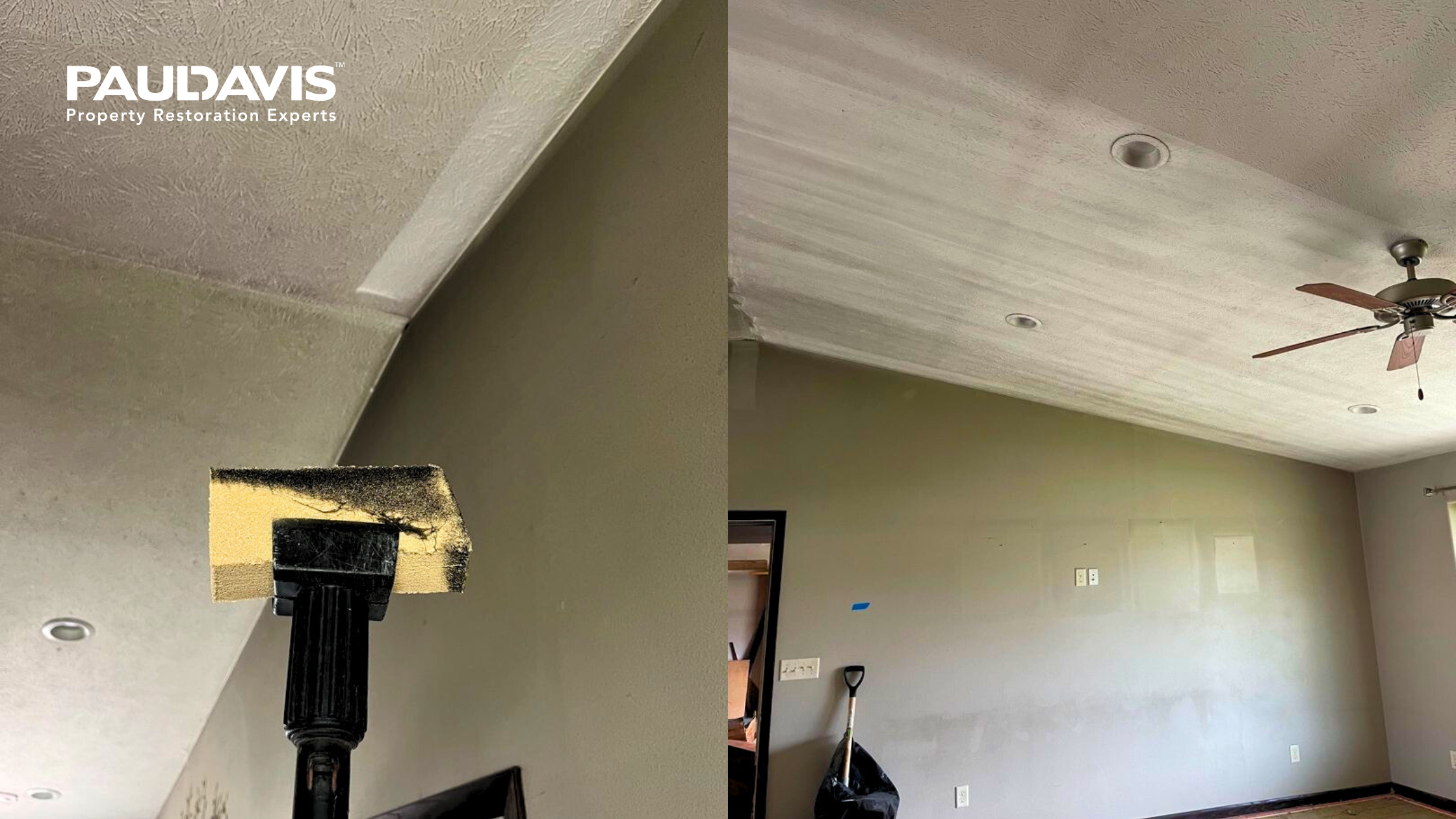
Among the many specialized techniques in the fire restoration toolbox, one surprisingly effective yet underappreciated method is the use of a chem sponge (also called a dry-chemical sponge or dry-cleaning sponge) for soot removal from walls and ceilings. In this post, we’ll walk through what a chem sponge is, why it matters, and how our team uses it to ensure a safe, thorough restoration.
What Is a Chem Sponge?
A chem sponge (dry chemical sponge) is a highly specialized rubber sponge, often made from natural rubber or vulcanized rubber, designed to lift soot and smoke residues from surfaces without water. The sponge has a fine porous structure that acts like a dry eraser: it “captures” dry soot particles instead of smearing them.
Key characteristics:
- Dry-use only (at first pass): When used dry, the sponge is ideal for removing soot from painted surfaces, wallpaper, ceilings, drywall, paneling, and more — without introducing moisture that can spread or smear soot.
- No chemical solvent needed at first: The sponge acts alone in many cases. If oily residues remain (for example, from burning plastics), additional solutions may be used afterward.
- Reusable to a point: The sponge can be flipped or split (for example, along seams) to expose fresh surfaces until it no longer picks up soot.
- Complementary in a multi-step process: After the chemical sponge step, wet cleaning or detergents may be applied to residual stains — but only when it is safe to do so.
A well-executed chem sponge process can prevent the soot from penetrating deeper into drywall, paint, or finishes, and helps ensure that subsequent cleaning, sealing, or repainting is effective.
Why the Chem Sponge Method Matters in Restoration
When your property suffers fire and smoke damage, the cleaning work is not just cosmetic — it’s critical to preventing ongoing damage and odor issues. Here’s why the chem sponge method is so important in a professional restoration setting:
- Avoids smearing soot
If you try to wipe soot with a wet rag or sponge too early, you risk smearing the soot deeper into wall surfaces, making stains harder (or impossible) to remove. A dry chem sponge helps lift soot cleanly without that risk. - Protects porous surfaces
Walls, ceilings, drywall, plaster, and painted surfaces are often porous or semi-porous. Introducing moisture prematurely can cause ghosting, bleeding, or migration of soot deeper into the substrate. The chem sponge acts as a “first pass” buffer. - Reduces residue and odor left behind
Proper removal of dry soot helps remove not just visible black particulates, but also the micro-residues that can lead to lingering smoke odors or reactions with future finishes. - Efficient for ceilings and vertical surfaces
The sponge is effective overhead or on vertical walls, without requiring heavy runoff or drips that could worsen damage. - Integrates into a certified restoration workflow
Because the chem sponge method is a known and accepted step in standard fire / smoke restoration protocols, using it properly is part of delivering high quality, documented, insurance-friendly results.
How Paul Davis Restoration of Northern Nebraska Uses the Chem Sponge in Practice
Here’s a walkthrough of how our certified restoration teams approach soot removal on walls and ceilings — with the chem sponge as a core step:
- Inspection & Containment
Before any cleaning begins, our team inspects the site, documents damage, and sets up containment to prevent cross-contamination of soot into unaffected areas. We also isolate HVAC systems, seal off zones, and prepare the workspace. (This is part of our standard “Respond → Resolve → Restore → Return” process.)
- Debris Removal & Dry Vacuuming
Loose debris — charred materials, ash, soot flakes — are first removed. Then we use HEPA vacuuming (held slightly off the surface) to gently draw away as much soot as possible before touching surfaces. This reduces what the sponge must contend with.
- Chem Sponge (Dry Cleaning) Pass
Now comes the chem sponge stage:
- We start with the ceiling (top down) to reduce particles falling onto cleaned walls.
- Using gentle strokes (usually vertical or downward strokes), we “erase” soot from the surface. We do not scrub aggressively; that can damage surfaces.
- As the sponge surface becomes dark or saturated, we flip it, split it, or replace it with a fresh sponge.
- We repeat across walls, gradually progressing downward and outward.
- Secondary Cleaning (If Needed)
After dry sponge work, residual stains or oily soot may remain. At that point, we may invoke mild wet cleaning or specialized detergents, carefully selected not to harm finishes or spread soot. We always test a small area first.
- Rinsing, Drying, Sealing
Once walls and ceilings are cleaned, we rinse (if needed) and fully dry the surfaces. Then we may apply a sealer or primer to lock in any residual molecules before repainting. This step helps prevent “ghosting” — the phenomenon where soot or smoke residue slowly reemerges after painting.
- Quality Assurance & Documentation
At Paul Davis Northern Nebraska, we emphasize documenting every step. We photograph “initial inspection”, “during progress”, and “completed” looks of the job, log cleaning methods, record materials used, and provide that documentation to insurance partners upon request. This helps ensure transparency, accountability, and proper claims handling.
Tips & Caveats (For Homeowners)
While much of the chem sponge work should be left to trained restorers, here are a few things to keep in mind:
- Always wear PPE (respirator mask, gloves, eye protection) — soot particles are hazardous.
- Never wet a surface before a dry sponge pass — it can smear and worsen damage.
- A heavily sooted wall may exhaust many sponges. Some DIYers report needing multiple sponges per wall, depending on severity.
- After the chem sponge step, use only approved cleaning solutions and test small zones first.
- Some walls (very textured surfaces, wallpaper seams, porous drywall) may not fully clean; in those cases, more invasive repairs or replacement may be needed.
Why Choose Paul Davis Northern Nebraska for Your Fire Restoration
In a fire restoration scenario, having the right tools is only one part of the equation. What matters even more is training, quality control, and process. Here’s why Paul Davis Restoration & Remodeling of Northern Nebraska is a dependable choice:
- 24/7 Emergency Response & Quick Arrival: Our team aims to respond rapidly so that damage doesn’t worsen.
- Certified, Trained Technicians: Our staff are certified, undergo ongoing education, and follow industry best practices.
- Full-Service Capability: We handle fire & smoke damage, mold, water, structural repair, contents restoration, and more — all under one umbrella.
- Insurance & Claims Expertise: We assist with claim documentation and communication to streamline the restoration process.
- Local Presence & Local Knowledge: Serving Columbus, Norfolk, Fremont, and surrounding areas, we understand local building practices, prevailing conditions, and logistical factors that impact restoration work.
- Quality Assurance & Transparency: We document each step, keep you informed, and ensure you’re comfortable with the work being done.
When you choose Paul Davis Northern Nebraska, you’re choosing a restoration partner who respects your home, your timeline, and your peace of mind.
Conclusion
In fire restoration, success hinges on executing each step well — from containment and debris removal to final finishing. The chem sponge is a deceptively simple yet powerful tool in the restoration arsenal: it allows soot to be lifted cleanly from walls and ceilings before moisture or chemicals enter the picture.
If your property suffers from fire, smoke, or soot damage in the Northern Nebraska area, don’t gamble on amateur fixes. Reach out to Paul Davis Restoration of Northern Nebraska — we have the expertise, the tools, and the commitment to restore your home or property fully and safely.
If you like, I can also produce a more visual version with before-and-after photos, or a downloadable guide you could turn into a resource sheet. Would you like me to extend this?