A Guide to Water Losses and Addressing Water Damage
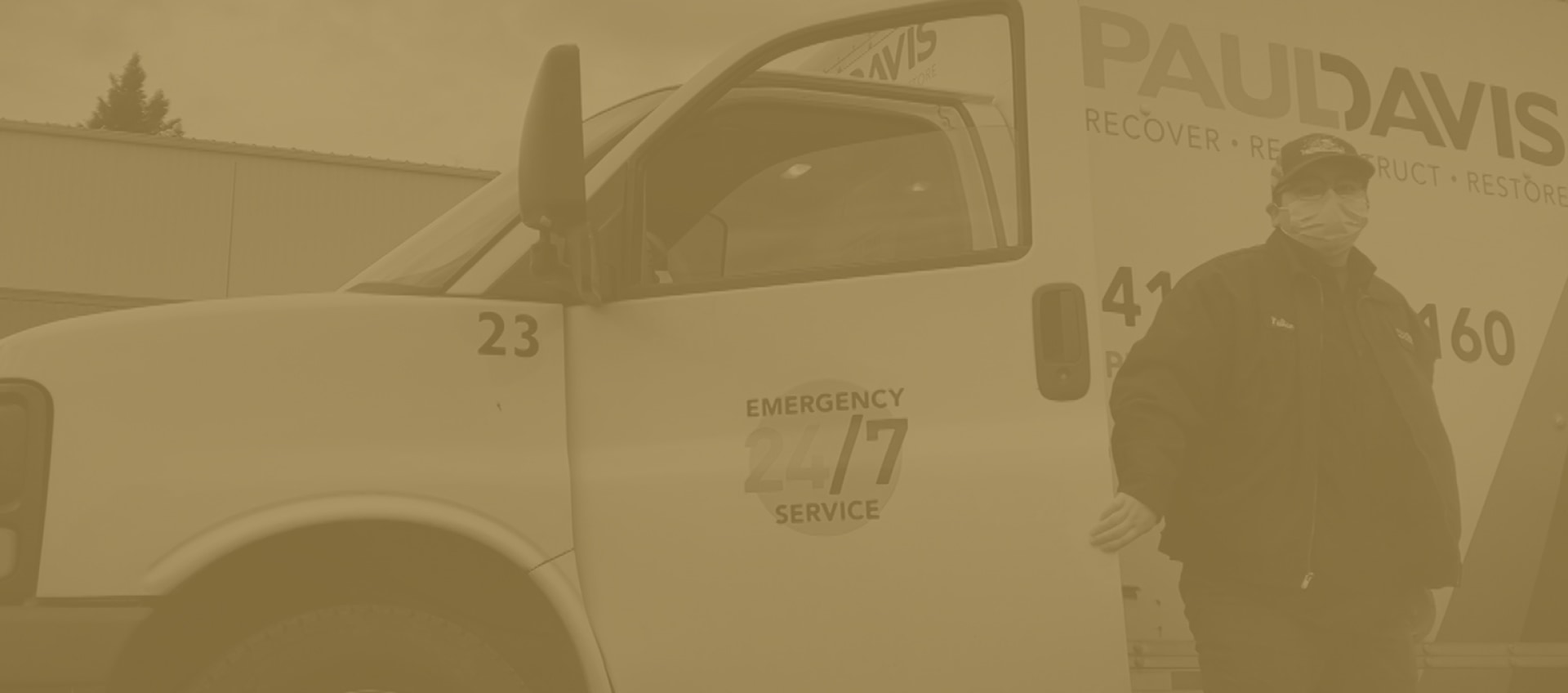
Water damage is one of the most stressful emergencies a homeowner or business owner can face. It’s right up there with fires and catastrophic storms because water can move quickly, seep into materials, and cause irreversible damage to structures and belongings if it’s not caught and acted on right away. Whether it’s a slow leak behind the wall or sudden flooding from a burst pipe, swift professional action is critical to prevent secondary damage — especially mold growth. At Paul Davis Restoration & Remodeling of Northern Nebraska, our trained restoration experts respond 24/7 with advanced techniques and industry-proven processes to help your property recover quickly and safely.
In this article we will talk about understanding the classes and categories of a water loss, the top 5 causes of water damage, the most important steps in water mitigation, and restoring your property after a water loss.
Understanding Water Damage: Classes and Categories
Water damage professionals classify water losses in two key ways:
Categories — how contaminated the water is, and
Classes — how much water and how deeply it’s soaked into materials.
Water Damage Categories
Paul Davis restoration specialists follow the IICRC water damage standards that define:
- Category 1 — Clean Water: Water from a clean source like a broken supply line. Minimal contaminants but still requires extraction and drying.
- Category 2 — Grey Water: Water with some level of biological or chemical contaminants, such as from a washing machine overflow.
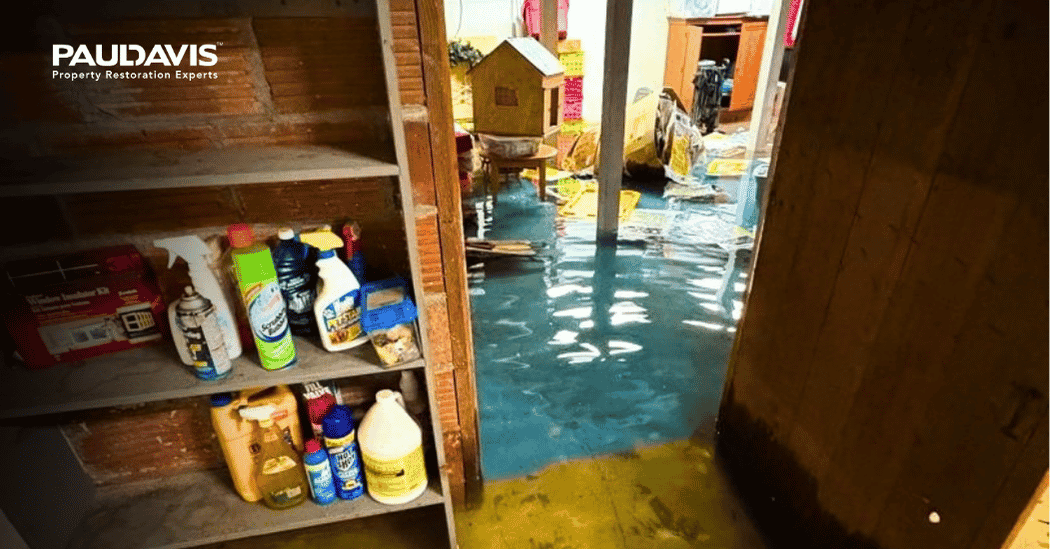
- Category 3 — Black Water: Highly contaminated water, such as sewage or floodwater, which poses serious health risks. Specialty drying equipment is required.
Did you know? Clean water can turn into black water in 7 days if left untreated.
Water Damage Classes
Classes describe how widespread and embedded water is in affected materials:
- Class 1: Least amount of water affecting a small area with low absorption.
- Class 2: Water affects the entire room and has wicked up walls and padding.
- Class 3: Water comes from overhead or saturates all materials.
- Class 4: Deeply bound water in materials like hardwood, plaster or concrete requiring specialized drying.
Top 5 Main Causes of Water Damage Claims
Water damage claims arise from a variety of residential and commercial issues, including:
- Frozen Pipe Bursts — Cold temperatures cause pipes to expand and rupture, flooding walls, floors, and ceilings.
- Plumbing Failures — Leaks from supply lines, fixtures, or appliance hookups.
- Roof Leaks — Storm or wear-and-tear damage allows water to enter attics and ceilings.
- Appliance Malfunctions — Overflows from washing machines, dishwashers, refrigerator water lines, or water heaters can cause significant damage.
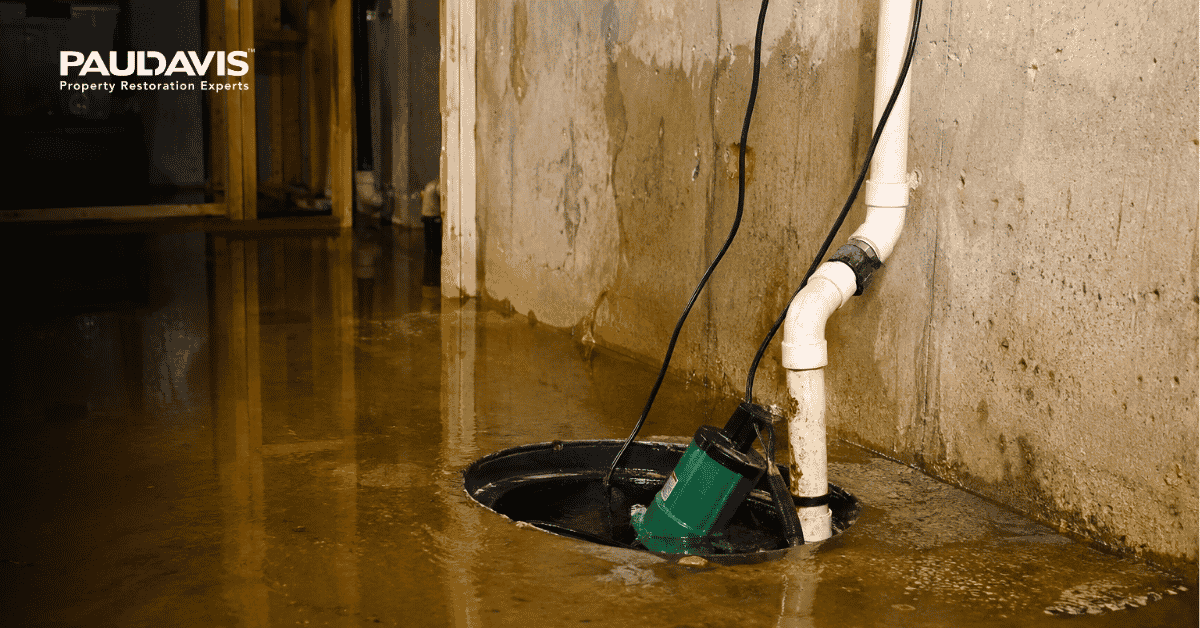
- Sewage Backups & Flooding — Water intrusion from sewer systems or heavy rainfall can bring contaminated water into properties.
These causes are among the most common sources of water loss claims across the residential/commercial insurance landscape.
The Most Important Steps in Water Damage Mitigation
When Paul Davis arrives after a water loss, our priority is mitigating further damage and preventing mold growth by following a disciplined workflow:
- Emergency Response & Assessment
Once you call, Paul Davis quickly responds — typically within an hour — to evaluate the situation. Early assessment determines the source of water, the affected areas, and what equipment is needed.
- Water Extraction

Using professional-grade wand and weighted extractors, we remove standing water as quickly as possible. This reduces humidity and the risk of microbial activity.
- Drying & Dehumidification
Powerful air movers and commercial dehumidifiers help dry structural materials thoroughly — one of the most critical steps in preventing mold growth. These dryers and dehumidifiers are strategically placed throughout the affected areas, and the square footage determines how many are placed. Using a moisture meter for moisture testing will be done throughout the process as well, until the site reaches acceptable dryness.
- Cleaning & Sanitizing
Contaminated surfaces are cleaned and disinfected with antimicrobial treatments if necessary. Belongings that can be saved are restored, and odor control measures are applied.
- Documentation & Insurance Support
Paul Davis documents every step — photos, moisture readings, and reports — to help with insurance claims and settlement. When moisture readings show desired levels of dryness over a typical 3 to 4 day period, we can more confidently ensure mold growth will be avoided.
Did you know? Microbial growth or mold can take hold in 48 hours and start to grow in 72 hours, sometimes faster depending on moisture in the air and materials present.
Repairs & Reconstruction — Restoring Your Property After a Water Loss
Water mitigation is only one phase of recovery. Paul Davis also offers full restoration and reconstruction services:
- Structural Repairs – Replace damaged drywall, insulation, flooring, and framing.
- Cosmetic Restoration – Painting, trim work, and finishing touches to restore your property’s appearance.
- Project Management – Coordinated reconstruction so your home or business returns to pre-loss condition.
By handling the full scope — from water extraction to final reconstruction — Paul Davis Restoration & Remodeling of Northern Nebraska ensures a seamless, single-partner experience. Our goal is to get you safely back in your home or business as quickly as possible.