5 Steps to Saving Contents of Your Home After Fire or Water Damage
When disaster strikes your home—whether from a fire, burst pipe, or severe storm—the visible damage to the structure is only part of the story. What many homeowners don’t initially realize is that the contents inside the home—your furniture, clothing, electronics, and personal belongings—are often just as affected, if not more so.
At Paul Davis Restoration of Northern Nebraska, we understand that these items aren’t just “things”—they’re memories, investments, and essentials to daily life. That’s why professional contents restoration is such a critical part of the recovery process.
What Are “Contents” in a Home?
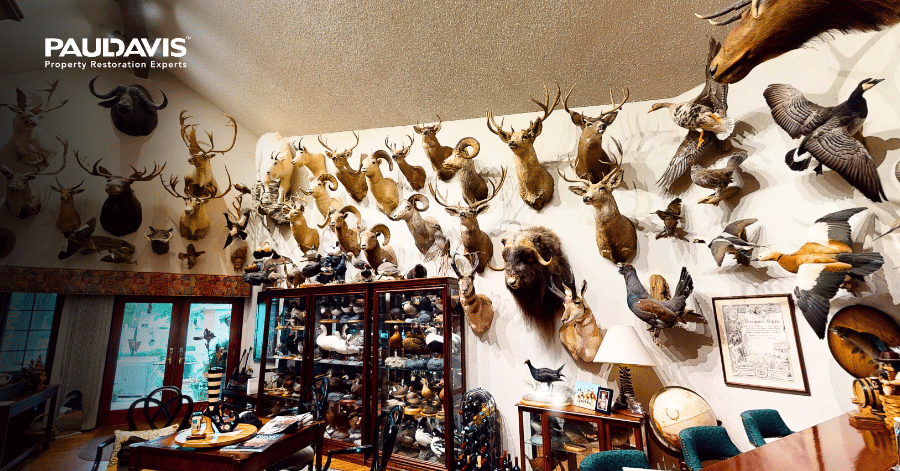
In restoration terms, “contents” refers to everything inside your home that is not part of the structure itself. A helpful way to think about it:
If you could turn your house upside down, everything that falls out is considered “contents.”
These contents generally fall into two categories:
- Hard Contents: Furniture, electronics, kitchenware, tools, collectibles
- Soft Contents: Clothing, linens, bedding, shoes, and other porous items
Both types are highly susceptible to damage during fire and water events.
How Contents Are Damaged During a Fire or Water Loss
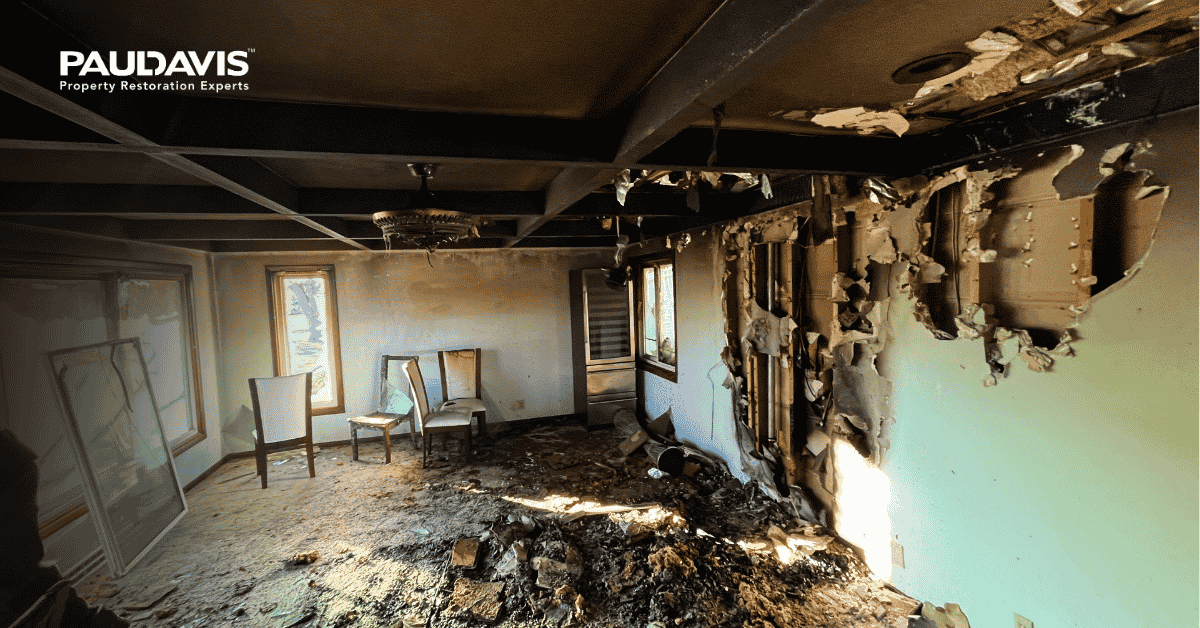
Fire Damage
Even items that weren’t directly burned can be severely affected by:
- Smoke and soot residue
- Strong, lingering odors
- Heat damage
- Corrosive particles that continue to deteriorate materials over time
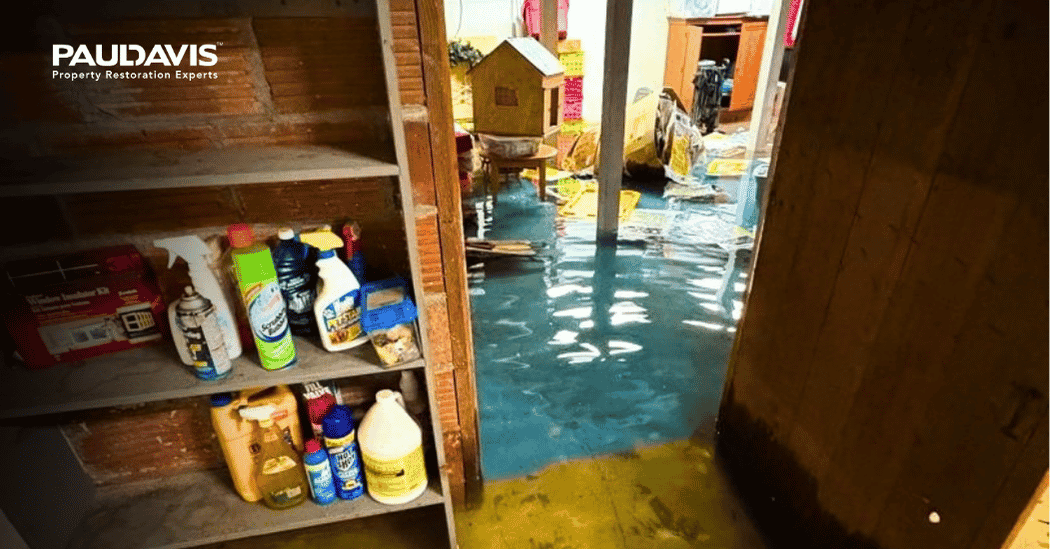
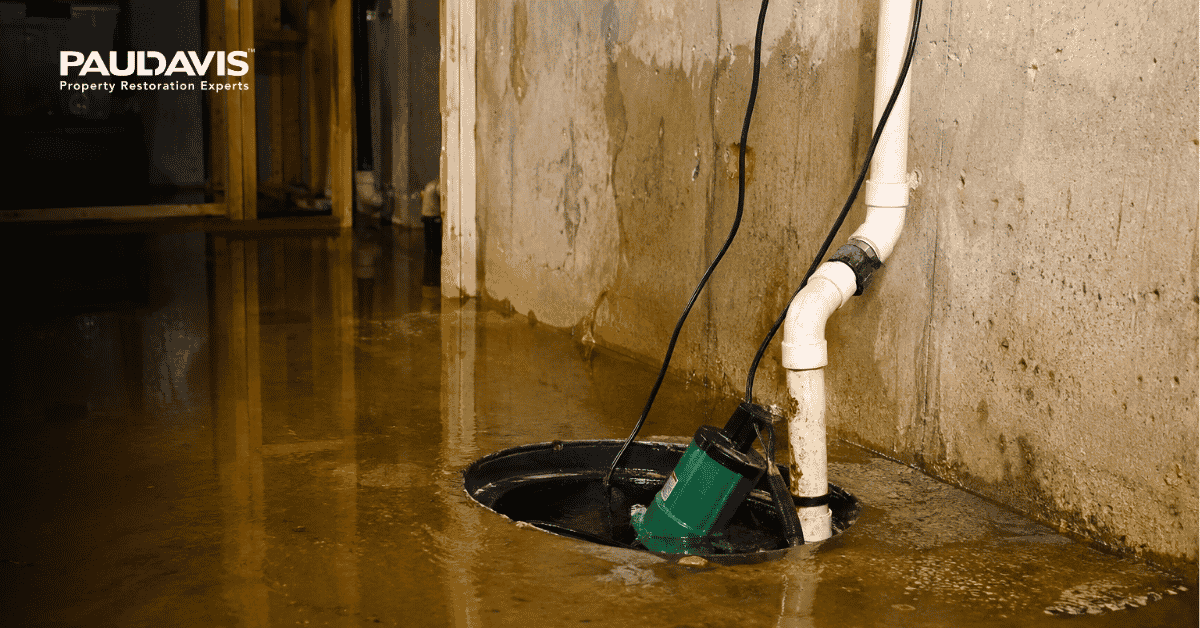
Water Damage
Water-related incidents can impact contents through:
- Saturation and swelling (especially wood and fabrics)
- Mold and microbial growth
- Contamination (especially in sewage backups)
- Warping, rusting, or electrical failure
In many cases, fire damage is compounded by water damage due to firefighting efforts.
Why Planning Ahead Matters
One of the most overlooked steps in protecting your belongings is creating a home inventory before a loss occurs.
According to the training materials, many homeowners struggle to recall even basic details about their belongings after a loss—like how many items are in a closet or garage.
Tips to Protect Your Contents Before a Disaster:
- Take photos or videos of each room
- Store digital copies in the cloud
- Keep receipts or records of high-value items
- Document serial numbers for electronics
Having this information can significantly speed up the claims process and improve recovery outcomes.
The Paul Davis Contents Restoration Process – 5 Steps
When your home experiences damage, working with a trusted restoration professional like Paul Davis Restoration of Northern Nebraska can make all the difference. Our goal is simple: save as many of your belongings as possible while handling them with care and precision.
Step 1: Detailed Inventory & Documentation
We begin by carefully documenting all contents in the home using advanced inventory systems. This includes:
- Photographs of each item
- Condition notes
- Room-by-room tracking
- Barcode or digital tagging for accuracy
Items are then categorized into three groups:
- Salvageable – Can be fully restored
- Potentially Salvageable – May be restored with specialized techniques
- Non-Salvageable – Unsafe or beyond repair
This level of documentation is critical for both restoration and insurance purposes.
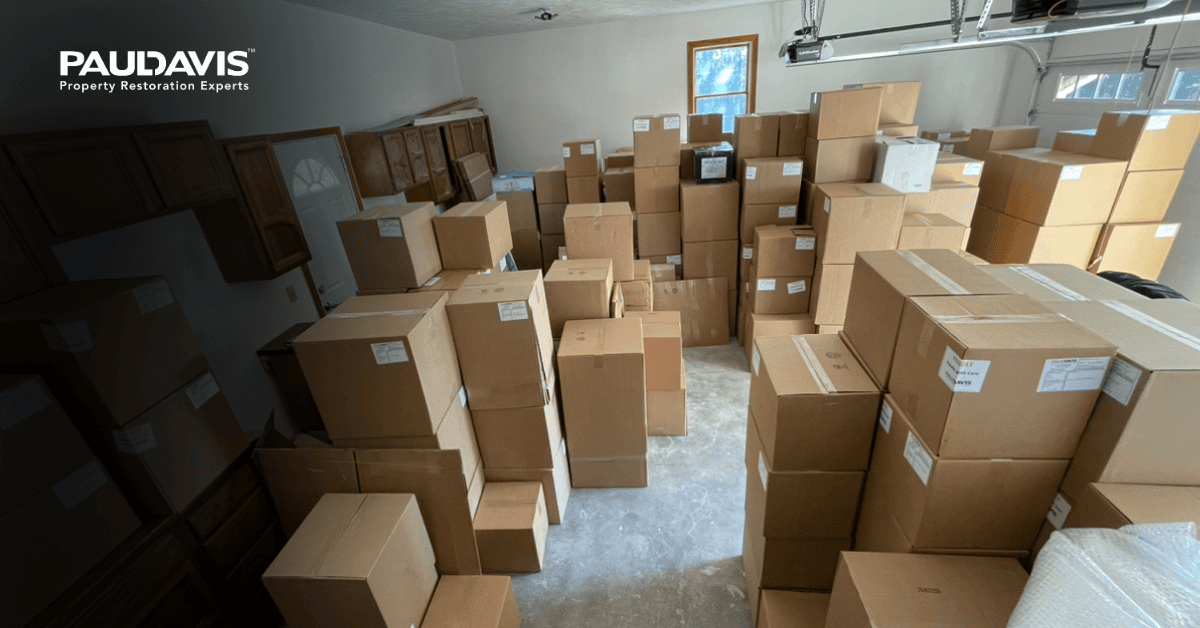
Step 2: Pack-Out & Secure Transport
Once the inventory is complete:
- Items are carefully packed and labeled
- A full chain of custody is maintained
- Contents are transported to our secure cleaning facility
This “pack-out” process ensures that your belongings are protected from further damage during structural repairs.
Step 3: Advanced Cleaning & Restoration
At our facility, our trained technicians use IICRC-certified cleaning techniques and industry-leading equipment to restore your items.
Depending on the type of content, this may include:
- Manual cleaning for delicate items
- Ultrasonic cleaning for detailed hard goods
- Specialized electronics cleaning systems
- Deodorization treatments such as ozone or hydroxyl technology
- Proprietary wash systems for soft contents like clothing and linens
Modern restoration methods can restore up to 85% of items that might otherwise be discarded .
Step 4: Secure Storage
During the rebuilding process, your belongings need a safe place to stay.
Paul Davis offers:
- Climate-controlled storage
- Organized, trackable inventory systems
- Protection from further damage
As noted in the training materials, contents may be stored on-site or in secure off-site facilities depending on the situation.
Step 5: Pack-Back & Return
Once your home is ready:
- Items are carefully returned in nicely labeled boxes or garment bags
- Placed according to inventory records
- Final checks ensure everything is accounted for
This final step helps bring your home—and your life—back to normal.
Why Restoration Is Better Than Replacement
Many homeowners assume replacement is the only option—but that’s often not the case.
- 95% of homeowners prefer restoration over replacement
- Restoration can cost as little as 16% of replacement costs
Beyond cost savings, restoration also:
- Preserves sentimental value
- Reduces waste
- Speeds up recovery time
Trust Matters When It Comes to Your Belongings
Not all cleaning services are equipped to handle disaster-related contents. Restoration professionals like Paul Davis:
- Understand insurance claims and documentation requirements
- Use specialized equipment not available in retail cleaning
- Follow strict industry standards (IICRC-certified processes)
- Provide end-to-end contents management—from inventory to storage to return
Final Thoughts
A fire or water loss can feel overwhelming—but you don’t have to face it alone.
The contents inside your home represent your life, your memories, and your sense of normalcy. Working with a trusted restoration partner like Paul Davis Restoration of Northern Nebraska, serving Columbus, Norfolk, Fremont, and surrounding communities, ensures that every possible step is taken to protect, restore, and return what matters most.
If your home has experienced damage, acting quickly—and choosing the right team—can make all the difference in saving your belongings.