5 Most Common Types of Property Damage from Storms
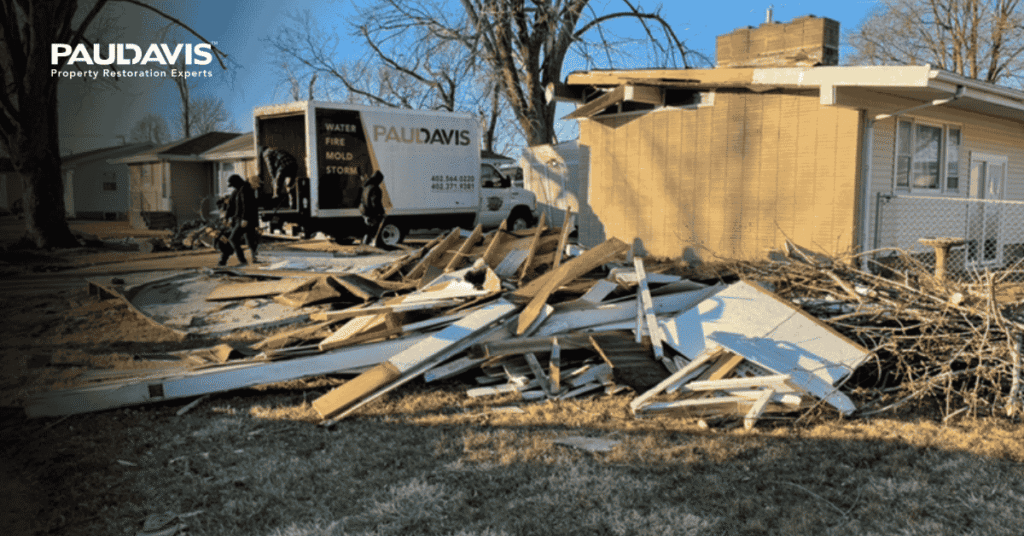
With storm season around the corner, we’re looking at the 5 most common types of property damage from storms in Nebraska. This is a great time for Nebraska homeowners and business owners to understand the risks of severe weather and prepare for the unexpected. From thunderstorms and tornadoes in spring to winter blizzards and flooding, Nebraska’s weather can be unpredictable — and property damage can happen fast.
Whether you’re safeguarding your home or your commercial property, being aware of the most common types of severe weather damage can help you act quickly and minimize loss.
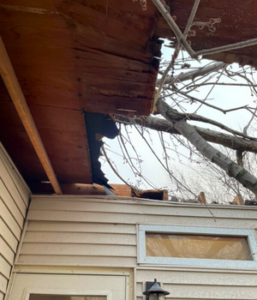
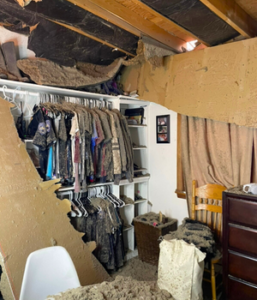
🌪️ 1. Tornado & Wind Damage
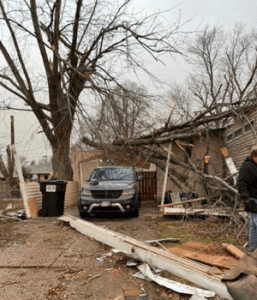
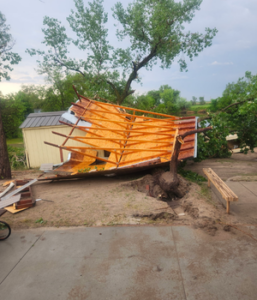
Nebraska is part of Tornado Alley, which means powerful tornadoes and severe thunderstorms with damaging winds are a real threat each spring and summer. These storms can:
- Tear off roofing and siding
- Break windows and doors
- Uproot trees and scatter debris
- Impact structural integrity
Even when a tornado doesn’t hit directly, straight-line winds can cause extensive damage that needs professional restoration.
☄️ 2. Hail Damage
Large hailstones often accompany spring storms in Nebraska, pounding roofs, siding, vehicles and outdoor equipment. Hail can crack shingles, dent metal surfaces, break skylights and compromise building exteriors in minutes. Those seemingly small dents can lead to leaks and further interior damage if left unattended.
💦 3. Flood & Water Damage
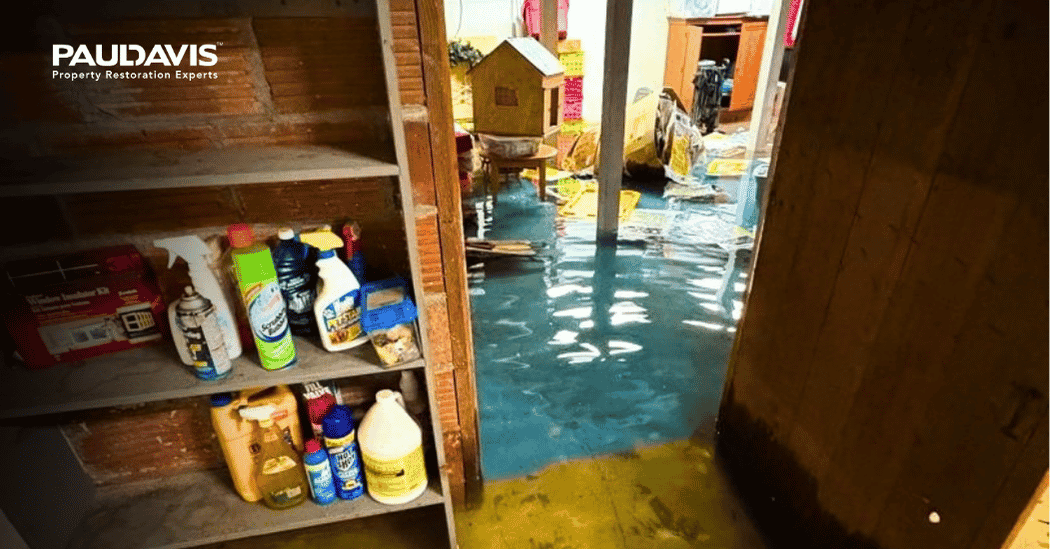
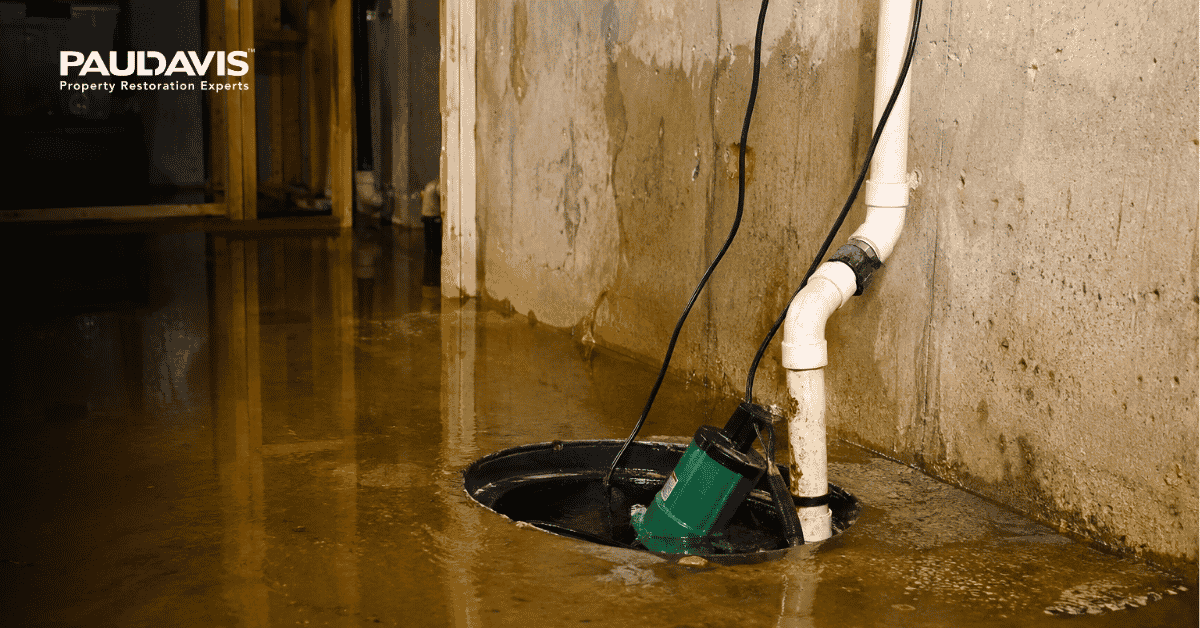
Heavy rains — or rapid snowmelt after a harsh winter — can lead to flooding in basements, crawl spaces and low-lying commercial areas. Water damage is tricky because it can go beyond visible areas:
- Saturated insulation and framing
- Mold growth
- Warped flooring and drywall
Fast, professional water extraction and drying are crucial to prevent long-term issues.
❄️ 4. Winter Storm & Ice Damage
Nebraska winters bring snow, ice and frigid temperatures that can be just as destructive:
- Ice buildup on roofs can cause collapse or water infiltration
- Freeze-thaw cycles damage pavements and foundations
- Ice storms can bring down power lines and trees
Winter damage can interrupt business operations and create safety hazards. Professional assessment and repair help you get back to normal faster.
🧯 5. Secondary Damage: Mold, Electrical & Structural Risks
Severe weather doesn’t just affect the exterior — it can lead to:
- Mold growth from lingering moisture
- Electrical damage when water intrudes
- Hidden structural damage that worsens over time
Identifying and addressing these issues quickly prevents escalation and adds peace of mind after a storm.
🔥 Be Prepared — and Know Who to Call
No matter the weather event, one thing is clear: swift action makes all the difference.
When disaster strikes, Paul Davis Restoration & Remodeling of Northern Nebraska is your trusted local expert. With 24/7 emergency response, advanced restoration technology and equipment, and highly trained technicians, Paul Davis helps homes and businesses recover from severe weather.
We don’t just repair damage — we are with you every step of the way, including working directly with any insurance carrier on claims to help simplify the process and ensure you get the support you need.
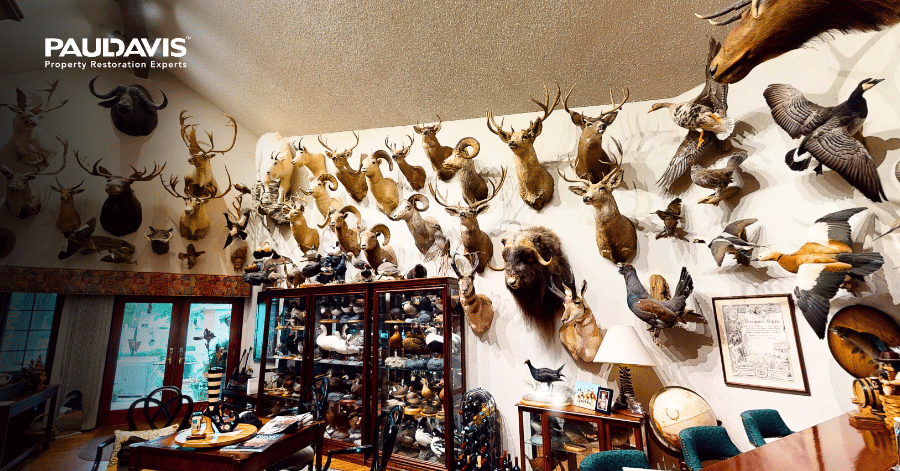
Our full service model means we take care of the entire process, from clean up to contents. When it comes to contents, we will inventory and pack out all contents after communicating with the property owners. Anything salvageable will be cleaned and restored. At Paul Davis, we are able to safely store contents until the property is ready for them to be returned. In the event of a wide-spread or catastrophic, we are able to pull in additional resources and manpower from our Omaha, Lincoln, and Grand Island / Kearney Paul Davis offices in Nebraska to meet local needs.
Let’s Recap
Severe weather can impact your home or business in many ways, and some types of damage that are especially common in our region include:
-
Roof damage from hail and high winds, including missing shingles, punctures, and leaks
-
Siding and window damage caused by wind-driven debris and hail
-
Water damage and flooding in basements, crawl spaces, and lower levels after heavy rain or snowmelt
-
Structural damage from fallen trees, strong winds, or shifting foundations
-
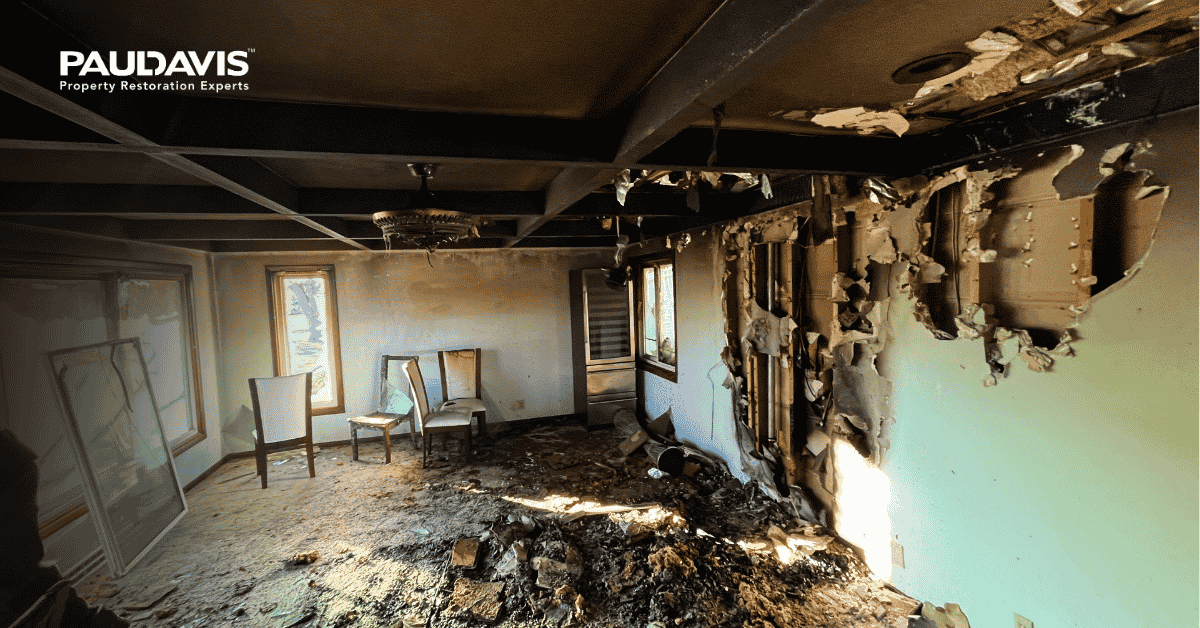
Interior damage such as soaked drywall, warped flooring, and mold growth if moisture isn’t addressed quickly
-
Ice and winter-related damage, including ice dams, frozen or burst pipes, and ceiling leaks
Knowing what kinds of damage are most likely helps you prepare—and respond faster—when storms hit.
This is hopefully a great reminder to take stock of your disaster preparedness plan — from reviewing insurance coverage to having emergency contacts on hand. But if the worst happens, Paul Davis Restoration & Remodeling of Northern Nebraska stands ready to help restore your property and peace of mind. We serve Columbus, Norfolk, Fremont, and surrounding areas in Northern Nebraska.